

Vinyāsa विन्यास
The Gold of Limiting the Breath

Most people think of vinyāsa as a “flow” class. A string of poses, one after the other, stitched together by choreography. But the Sanskrit root tells a different story. Vi-nyāsa means “to place in a special way.” In the Vedas it described how mantras were set onto the body, how stones were arranged in temples, how words were ordered in poetry. The idea was always the same: deliberate placement, order, coherence.
In yoga, that placement is not just of the limbs. It is of the breath through movement.
A limited number of breaths
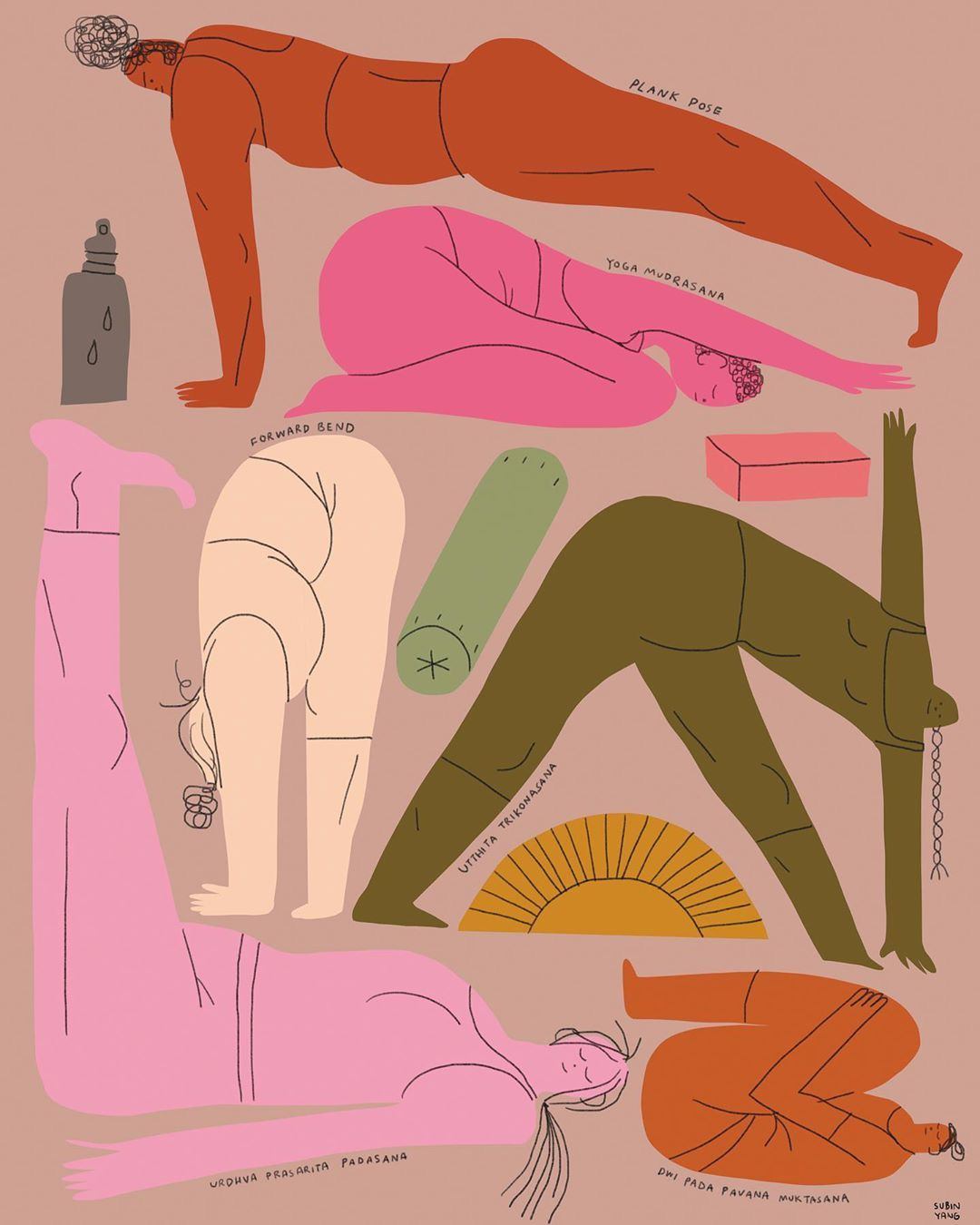
Sri. K. Pattabhi Jois, the founder of Ashtanga Vinyasa Yoga, used to say there were only a limited number of breaths in a class. That wasn’t a metaphor — it was the point. The practice was measured not by how many poses you could fit in, but by how few breaths you could stretch across them.
This is the gold of vinyāsa: breath limitation.
The physiology behind it
Why does this matter? Because slowing the breath trains the chemoreceptors in the medulla — the part of the brainstem that responds to rising carbon dioxide. Normally, CO₂ rising triggers a panicked urge to breathe. But through vinyāsa, we learn not to panic. We learn to tolerate more.
That tolerance resets the baseline. The breath rate slows. The nervous system steadies. The whole body becomes less brittle, more resilient.
Konstantin Buteyko, the Russian physiologist, noticed the same thing decades ago. He admired Hatha Yoga and created exercises linking movement and breath: exhaling over four walking steps, for example. The rhythm trained the system, not the muscles.
How to breathe in vinyāsa
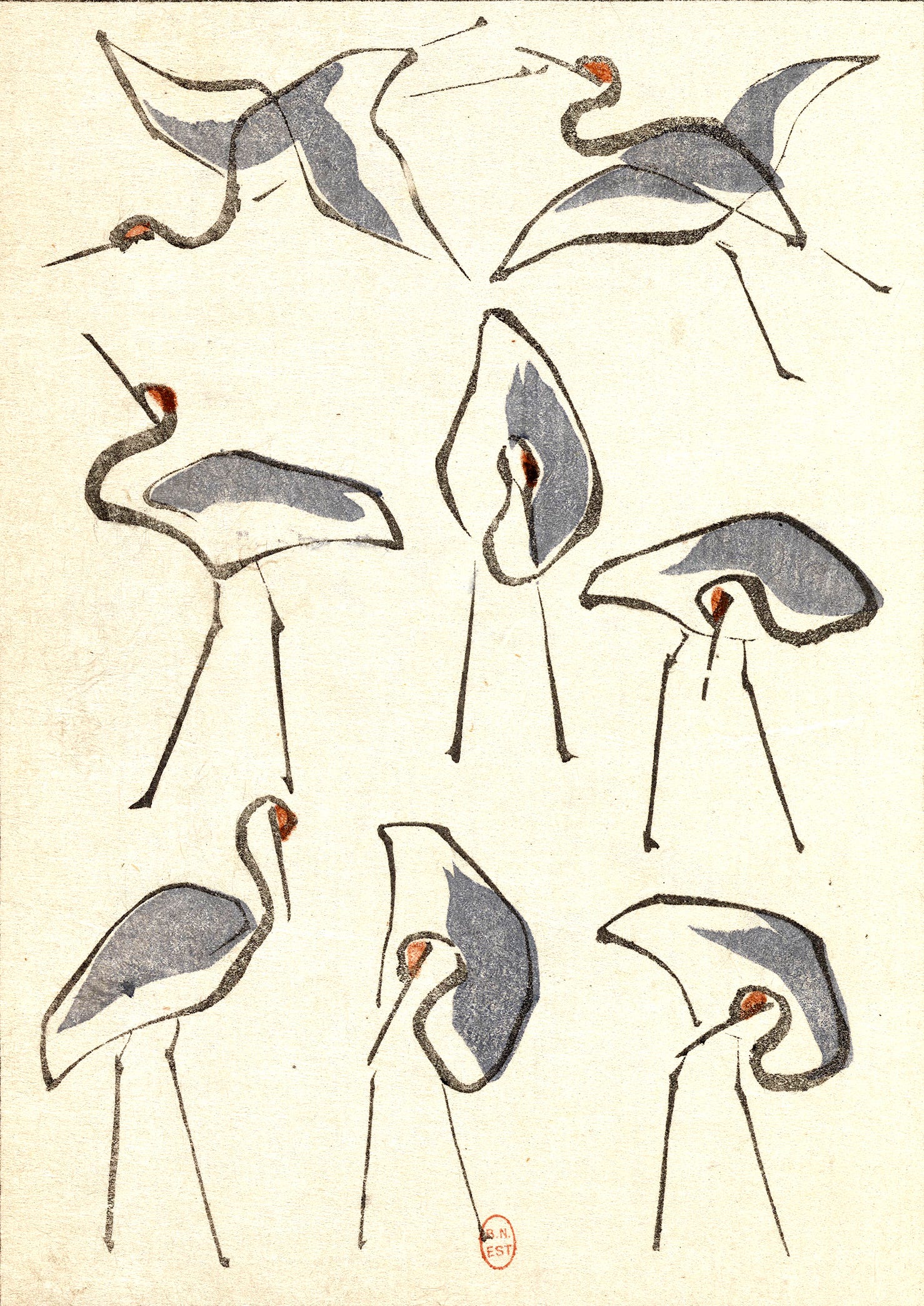
Done properly, vinyāsa is not “inhale, freeze, then move.” It is:
Inhale throughout the entire time your arms are rising.
Exhale throughout the entire length of the forward bend.
Inhale while stepping back, left, exhale through the length of the right step back.
Inhale through the passage forward.
And on.
There’s no hurry towards perfection. If your breath runs out, you don’t force. You relax and continue with the energy of the breath — you “pretend” the breath continues. You don’t tighten. You simply hold the same feeling of flow until the body catches up. Over time, the breath stretches, and the movement follows.
The breath sets the pace. The body learns to obey.
What goes wrong in modern teaching
In the twenty-five years I’ve been practicing, I have never seen a teacher demonstrate this correctly. Almost without exception, they interrupt their own breath with constant instructions.
But after two or three classes, students don’t need a running commentary. They can glance around if they forget. What they need is to be guided by the teacher’s own elongated breathing. If the teacher’s breath is strong and slow, the students will naturally fall into rhythm. If it isn’t — if the teacher can’t stretch their own breath — then they’re not teaching vinyāsa at all.
Eye on the Prize
Stretching is good. Muscle loading is good. Alignment is good. None of them matter if we’re still rushing, still gulping air, still performing for the outside world. Breath limitation comes first. Breath limitation is what will ensure longevity off the mat.
The gold of vinyasa is breath limitation.
Breath limitation is the point of yoga.
This was a great reminder of the power of breathing slow... in yoga... in life. Thanks for writing, I'll share a link to this in my next round up newsletter.