Prāṇāyāma प्राणायाम — Part I
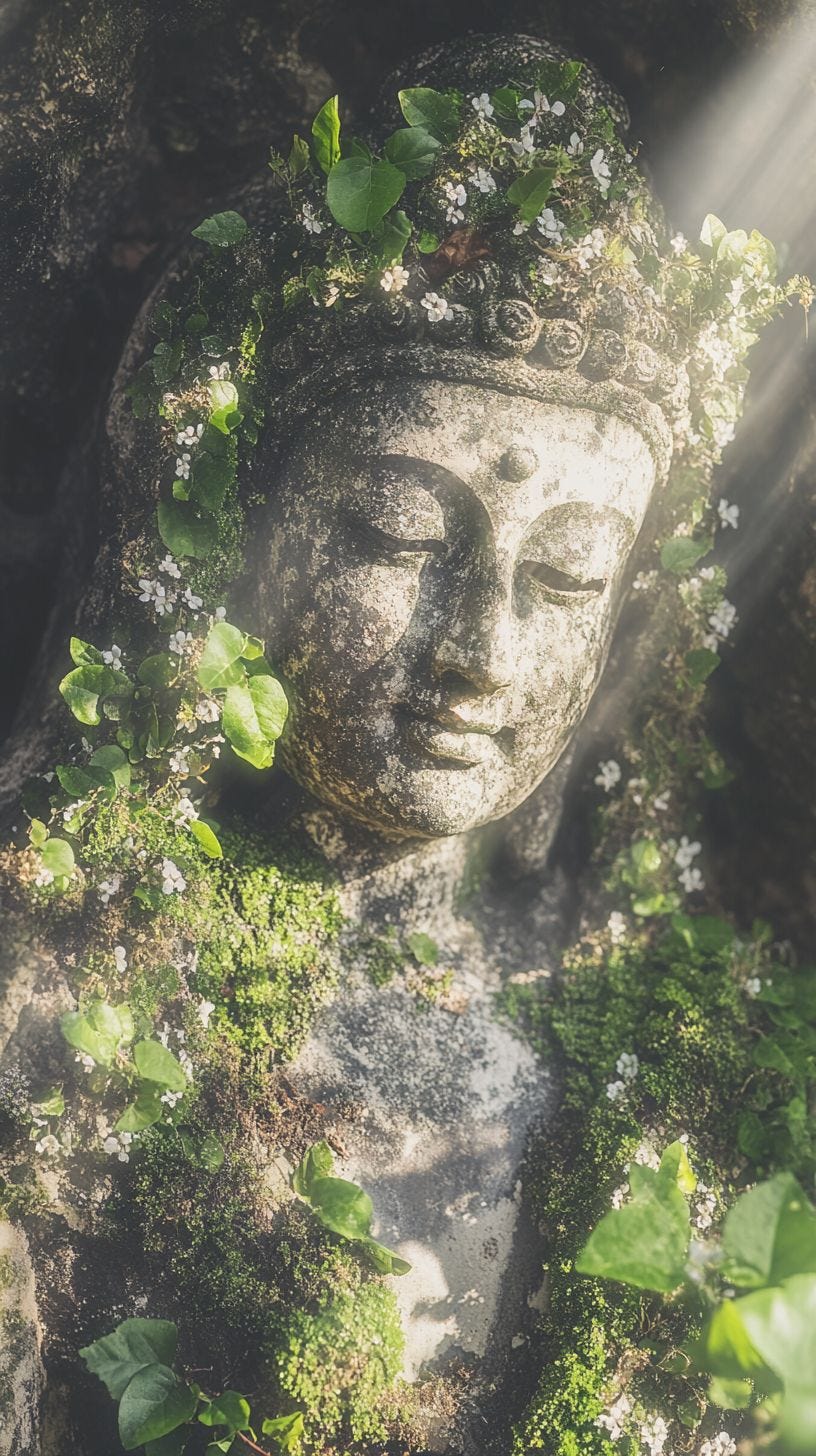
The Soft Smile is the Mudra

“चले वातो चले चित्तं निश्चले निश्चलं भवेत् ।
योगी स्थिरतामाप्नोति ततो वायुं निरोधयेत् ॥”
Chale vāto chale cittaṃ niścale niścalaṃ bhavet,
Yogī sthiratām āpnoti tato vāyuṃ nirodhayet.
— Haṭha Yoga Pradīpikā II.2When the breath moves, the mind moves.
When the breath becomes still, the mind becomes still.
Therefore, the yogi first steadies the breath.
Prāṇāyāma Begins with Containment
The Haṭha Pradīpikā opens its section on prāṇāyāma not with technique but with principle: before breath can be guided, it must be contained.
Stillness is containment.

The mudrā of containment is the soft smile — the most subtle of the locks, the quiet seal that prepares the body for stillness. When the lips close lightly, the corners lift imperceptibly, and the tongue rests on the palate, a circuit completes between the facial and trigeminal pathways that govern expression, swallowing, and rhythm. The jaw releases, the soft palate lifts, and the upper airway opens.
The soft upward curve of the smile counterbalances the downward dome and pull of the diaphragm. Training this simple practice sustains upper-airway patency for life — the quiet lift that protects breathing during sleep, speech, and swallowing. By restoring palatal tone, it also relieves pressure on the temporomandibular joint (TMJ) and stabilises jaw alignment, allowing the mandible to rest in a neutral, decompressed position. The same neuromuscular lift that opens the airway also reduces the tension that drives clenching, grinding, and facial fatigue.
Airway steadiness and nasal breathing are more critical to balanced growth than diet, because oxygenation, CO₂ regulation, and growth-hormone release all depend on them. Deep, continuous, unfragmented sleep supports tissue repair and evenness of growth — the body’s natural proportion — da Vinci’s divine proportion.
A soft smile opens the airway, slows the breath, and promotes deep, N3 (non REM) slow wave sleep.

The Closed-Mouth Smile
Not all smiles are equal. George Catlin recorded an Ioway chief’s warning:
“White man — mouth shut, pretty good; mouth open, no good.”
The measure of disorder was how much tooth was shown — as it hinted at the habit of shallow mouth breathing. Four centuries earlier, Leonardo da Vinci painted the same principle into the Mona Lisa — a closed-mouth smile expressing equilibrium, not emotion. Her expression sits between the soft palate and the respiratory dome, between expression and containment: the geometry of grace, or what yoga calls samatvam — evenness in all conditions.
Passageways of Controlled Turbulence
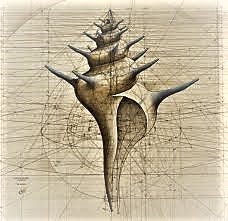
The upper airway is a sequence of shaped passageways. Each curve — the nasal turbinates, the soft-palate vault, the tongue arch — channels and slows airflow, distributing pressure evenly through head and chest. Every surface is lined with warm, wet mucous membrane that conditions incoming air. Without this humidification, the alveolar walls would desiccate and rupture, and oxygen could not cross from air to blood — gas exchange depends on moisture.
Modern indoor life adds new demands: these passageways now filter fine particles — house dust and dust mite in particular — and volatile residues from dense interior air. The turbinates, cilia, and mucus operate as a living filtration system. The conch-like spirals of the nose generate micro-turbulence that regulates flow — a built-in mechanism for pressure stability and internal protection.
Facial and trigeminal nerves coordinate this control. The facial nerve softens lips and cheeks; the trigeminal branch lifts the soft palate via the tensor veli palatini, refining the aerodynamics of breath.
The Soft Smile and the Parasympathetic System
A soft, closed-mouth smile activates the facial (VII), trigeminal (V), and hypoglossal (XII) nerves. These pathways converge in the brainstem with nuclei that regulate the vagus and parasympathetic output. The coordinated activity lifts the soft palate, stabilises the tongue and jaw, and promotes steady nasal airflow. Through these mechanisms, the gesture produces a measurable shift toward parasympathetic dominance and an associated improvement in emotional steadiness.
CO₂ Regulation and the Rising Wings of Breathing
Below the face, the diaphragm follows the same principle.
CO₂ is its metronome.
Over-breathing lowers CO₂, raises pH, and disrupts it’s rhythm.
Restored CO₂ through slower nasal breathing normalises acidity, improves circulation, and restores effortless cadence.
Low CO₂ → loss of rhythm and control.
Restored CO₂ → return of rhythm and control.
Ūḍḍīyāna bandha means “to fly up” and describes the diaphragm’s upward recoil on exhalation, when CO₂ balance returns and circulation steadies.
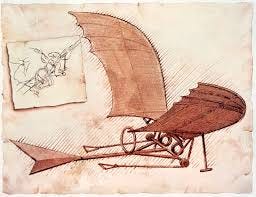
The pterygoid muscles — medial and lateral pairs on each side of the jaw — take their name from the Greek pteryx, meaning wing.
Together they form two pairs of wings at each cheek, guiding the hinge and glide of the temporomandibular joint.
When the jaw is clenched, these wings fold tight and pressure accumulates through the joint, sinuses, ears, and skull base.
When the lips soften into a closed smile, the pterygoids release, the TMJ decompresses, and the nasal passage opens.
The soft smile becomes a facial bandha — the upper counterpart to Ūḍḍīyāna bandha below.
As you breathe out, the diaphragm domes upward, helping to lift the pterygoid wings of the cheeks from below and clearing the narrowing created by the diaphragm’s downward pull during inhalation.
With each exhalation, the diaphragm’s recoil supports the face: the palate lifts, the sinuses open, and circulation through the head clears.
It really is a case of faking it until you make it.
Even if the mood hasn’t yet lifted, the gesture itself — the soft smile and gentle release of the pterygoids — begins to create the physiology of calm.
The face leads; the feeling follows.
.
The Cranial Circuit
The soft smile does more than lift the palate; it links the upper airway to the deep muscles of the neck.
Through the superior pharyngeal fascia, the tensor and levator veli palatini connect to the longus capitis and longus colli, the deep stabilisers of the cervical spine.
These, together with the proprioceptors beneath the occiput, form a structural bridge between the airway and the cranial base.
When the palate lifts, the occiput subtly lengthens upward, balancing the downward vector of Jālandhara bandha.
This alignment supports both arterial inflow and venous return by reducing mechanical resistance along the carotid, jugular, and vertebral pathways.
It also facilitates cerebrospinal-fluid exchange across the foramen magnum, integrating cranial and thoracic pressure systems.
The result is steadier perfusion, improved drainage, and enhanced afferent communication through the vagus and trigeminal nerves — a quiet clarity, the physiological correlate of mental steadiness.
The Geometry of Grace
When our airways stay open during sleep, breathing remains smooth and unbroken.
This steadiness prevents the micro-awakenings that fragment deep sleep.
And it’s in deep sleep that growth hormone is released.
When sleep is continuous, growth-hormone secretion follows an even rhythm.
This hormone drives the repair and rebuilding of tissue — bone, muscle, and soft tissue alike.
Steady growth-hormone release produces proportionate growth: bone length and muscle deposition develop in balance.
But when the airway collapses and sleep is disrupted, hormone release becomes erratic — short bursts instead of a steady flow — leading to uneven growth and incomplete recovery.
Practice: Pairing the Soft Smile with Jālandhara Bandha
Sit upright so the back of the skull can lengthen away from the spine.
Close the lips lightly and let the corners rise just enough to feel the soft palate lift.
Keep breathing through the nose. Notice the nasopharynx widening behind the smile.
Draw the chin gently toward the throat — the soft Jālandhara bandha.
Feel how the lift of the palate meets the downward settling of the throat.
Sense the counter-tension: the occiput rises even as the front of the throat softens and lifts.
This is the containment the ancient texts describe — the inner seal.
Stay for several breaths.
The result should feel clear, spacious, and steady rather than constricted.
The palate’s upward vector and the neck’s downward vector create a balanced pressure field.
Each slow nasal breath re-affirms the boundary between inner and outer atmosphere — the body’s living filter that keeps the internal world safe and stable.
The same soft smile seen on countless Buddhas — not expression, but containment.