

Expansion Is Over
A civilisation matures when it learns to contract without panic

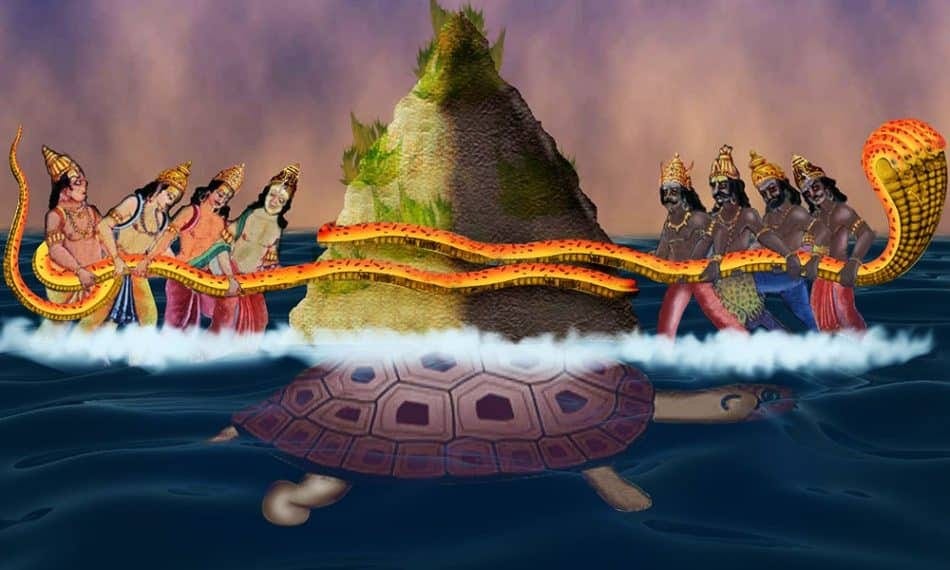
For the last two hundred and fifty years, the West has expanded.
Energy expanded.
Production expanded.
Cities expanded.
Medicine expanded.
Expectation expanded.
Expansion became the measure of success. Growth became synonymous with health.
But expansion is not a permanent state.
Expansion is over. Contraction is required for strength, precision, and complexity.
The problem is not contraction.
The problem is that we do not know how to contract without panic.
We experience contraction as loss, as failure, as threat. Markets fall and we call it crisis. Systems tighten and we call it collapse. Limits appear and we try to override them.
But in physiology, this is a failure of understanding.
A system that cannot contract is not healthy.
A vessel that cannot constrict loses pressure.
A lung that cannot recoil traps air.
A nervous system that cannot settle burns itself out.
Strength does not come from endless expansion. It comes from the ability to move between states.
Value comes from oscillation.
Expansion and contraction.
Outward and return.
Load and release.
Without oscillation, there is no regulation. Without regulation, there is no stability.
Only continuation through return.
We have seen this before.
After the long expansion of Rome, Europe contracted. Trade narrowed. Cities thinned. Systems localised.
It was later called the “Dark Ages.”
Not because nothing was happening, but because expansion had stopped, and fewer records remained.
What followed was not emptiness, but consolidation.
We call it “dark” when expansion stops, because we do not recognise consolidation as a form of intelligence.
But contraction is not collapse. It is reorganisation. It is the tightening of systems. It is the reduction of waste. It is the return to what can be sustained.
A civilization matures when it learns this.
In chemistry, stability appears as a ring. Not a line, but a closure.
In older symbols, the serpent closes into itself.
What leaves must return.
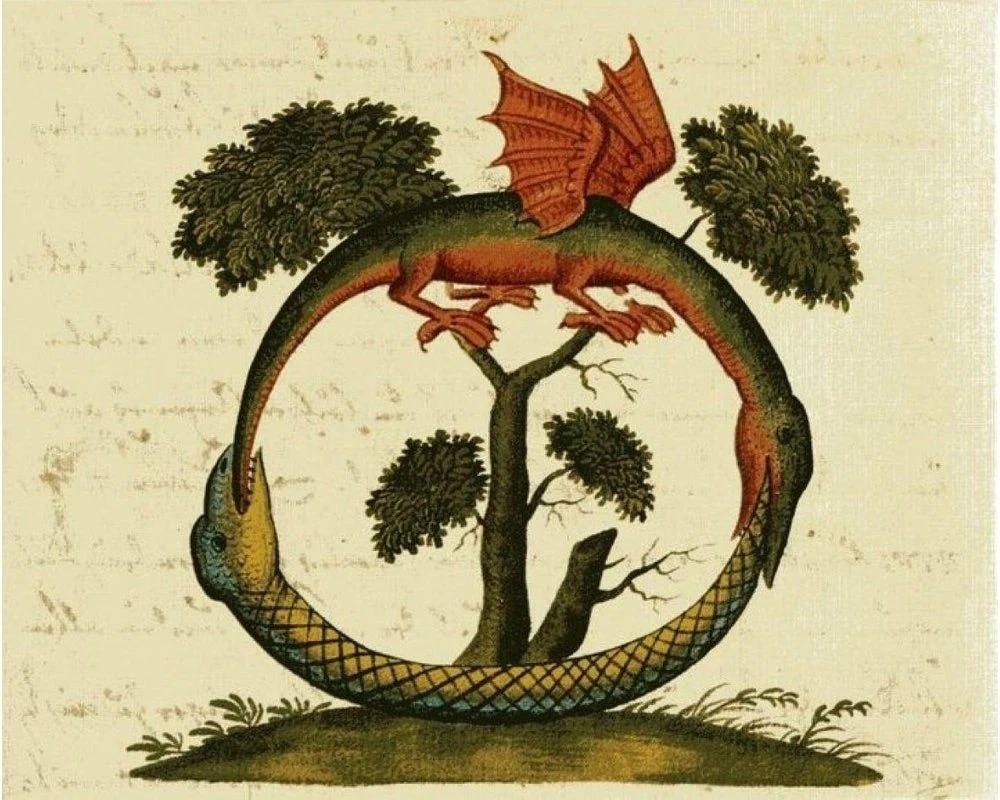
The snake recurs because it moves by extension and contraction.
It does not advance in a straight line.
It progresses by gathering itself and releasing again.
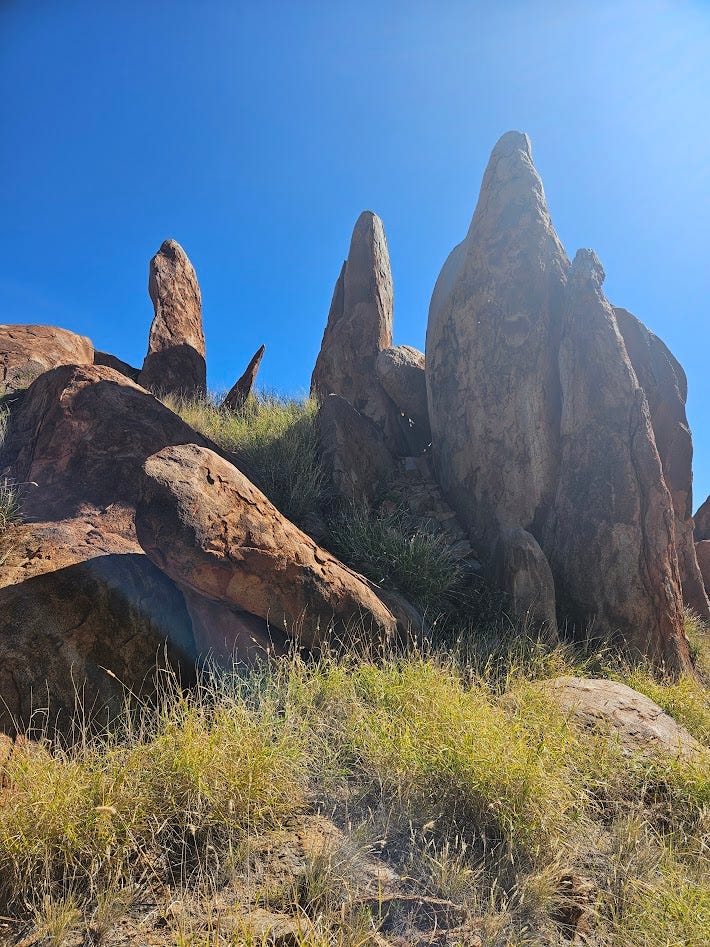
I was once told about a snake from Kintore.
It had travelled a long way.
The elder said: it will go back.
I didn’t understand it then.
Now it seems simple.
Movement that extends too far does not continue outward indefinitely.
It turns.
Return is inevitable.
The question is not whether contraction will occur.
The question is whether we will recognise it for what it is.
Not failure. Not collapse.
But the necessary condition for strength, for precision, and for complexity.
A mature civilization does not fear contraction.
It knows how to move with it.